
 ★ 7.6
StreamerFlix: game on, the films of the players
The streamers played the games; the cinema turned them into films. This guide gathers 150 films of video games and gamers on twelve shelves: Mario, Sonic, Pokémon and the anime of games; fighting games, Resident Evil and horror games; action adventures and the board games of the cinema; and the virtual worlds, arcade heroes, players, streamers and documentaries of gaming, with synopses, cast and where to watch.
Categories
Mario, Sonic and friendsMario, Sonic and friends
Show more (10)★ 7.6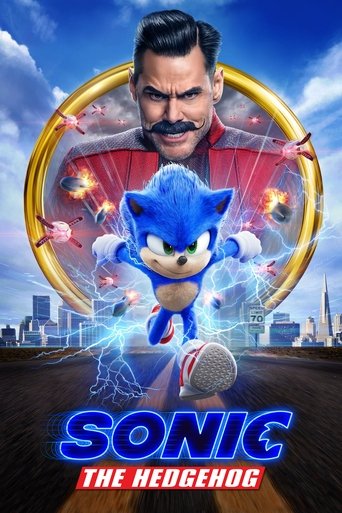 ★ 7.3
 ★ 6.9
 ★ 7.4
 ★ 6.3
 ★ 7.6
 ★ 6.2
 ★ 7.0
 ★ 4.5
 ★ 5.8
Pokémon on the big screenPokémon on the big screen
Show more (13) ★ 7.0
 ★ 6.7
 ★ 6.6
 ★ 7.1
 ★ 6.7
 ★ 6.5
 ★ 6.7
 ★ 7.0
 ★ 7.1
 ★ 6.6
 ★ 6.7
 ★ 7.2
Anime and animated gamesAnime and animated games
Show more (12) ★ 6.2
 ★ 7.2
 ★ 6.8
 ★ 7.7
 ★ 7.0
 ★ 7.1
 ★ 6.8
 ★ 6.8
 ★ 7.3
 ★ 7.5
 ★ 7.2
 ★ 6.2
Fighting gamesFighting games
Show more (13)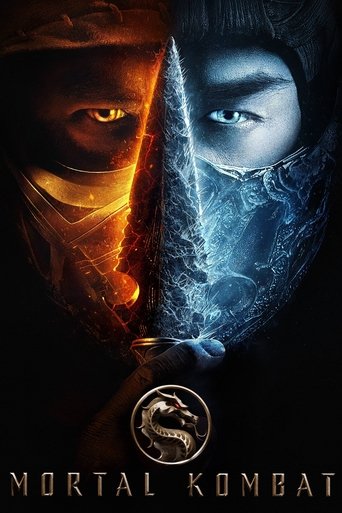 ★ 7.0
 ★ 5.9
 ★ 4.7
 ★ 8.1
 ★ 4.6
 ★ 5.3
 ★ 5.3
 ★ 7.6
 ★ 4.3
 ★ 4.6
 ★ 7.7
 ★ 4.7
Resident EvilResident Evil
Show more (10)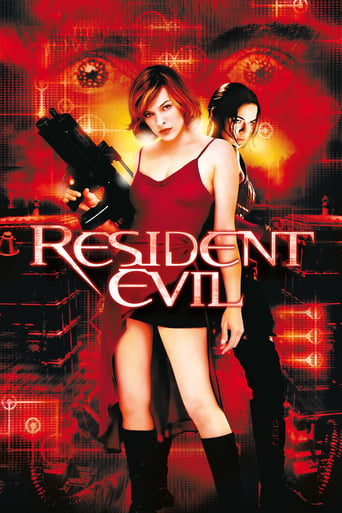 ★ 6.7
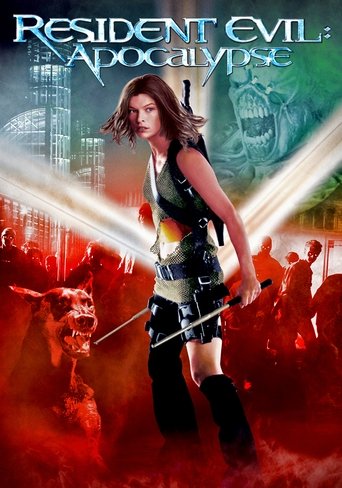 ★ 6.4
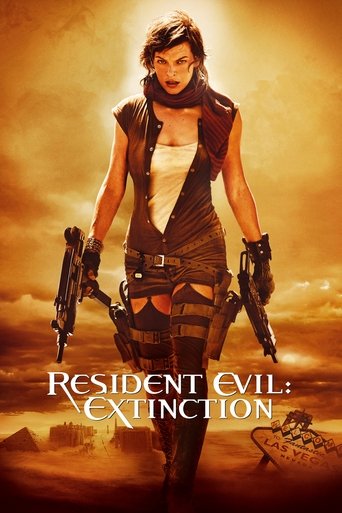 ★ 6.3
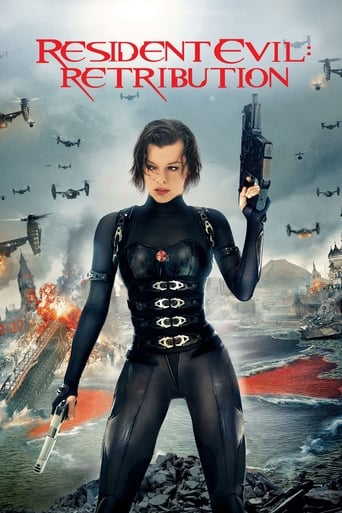 ★ 5.8
 ★ 6.1
 ★ 6.1
 ★ 5.9
 ★ 6.8
 ★ 6.9
 ★ 6.9
Horror gamesHorror games
Show more (12)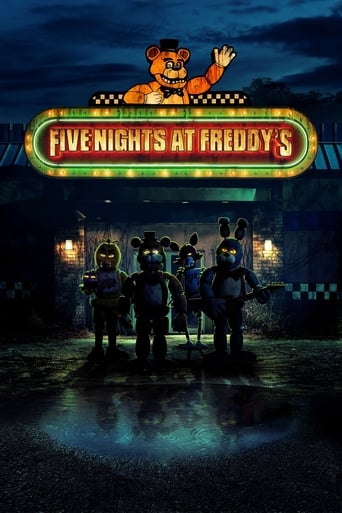 ★ 7.3
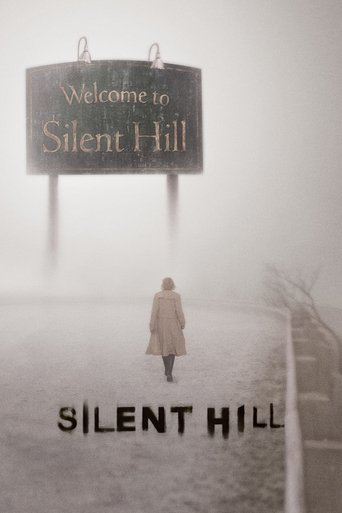 ★ 6.6
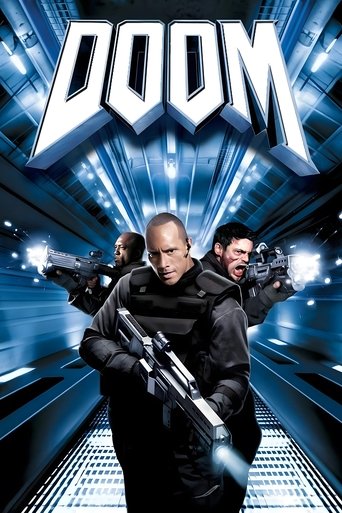 ★ 5.2
 ★ 5.6
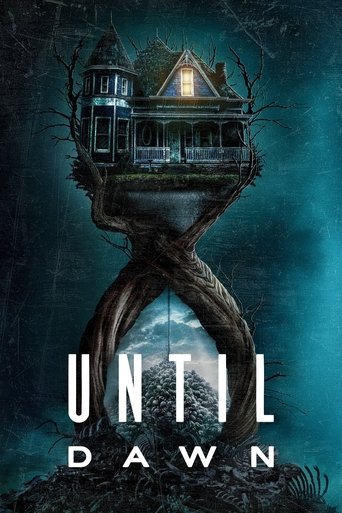 ★ 6.2
 ★ 6.6
 ★ 5.3
 ★ 5.9
 ★ 3.4
 ★ 6.0
 ★ 5.0
 ★ 3.1
Action and adventure gamesAction and adventure games
Show more (14)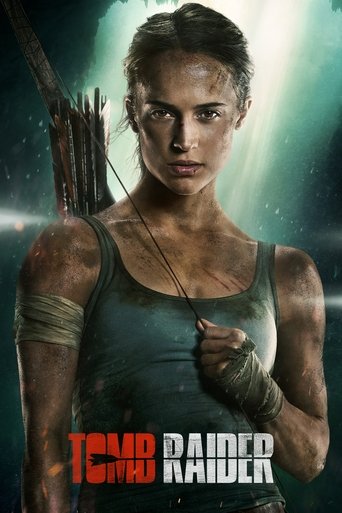 ★ 6.4
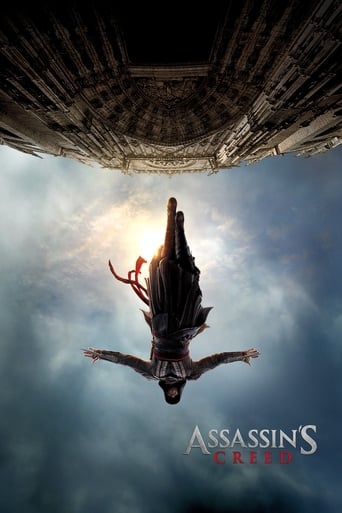 ★ 5.4
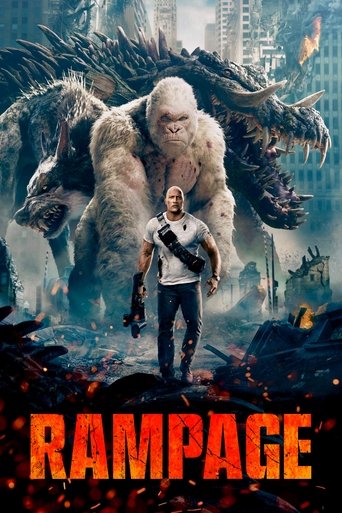 ★ 6.5
 ★ 6.4
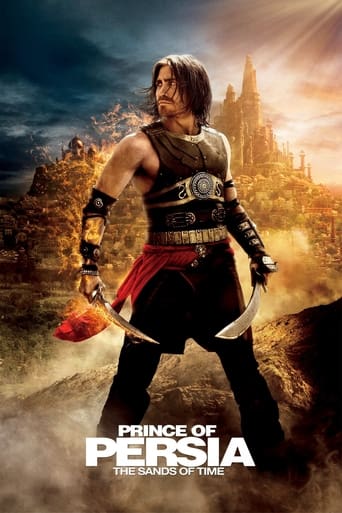 ★ 6.3
 ★ 6.9
 ★ 5.9
 ★ 6.5
 ★ 5.8
 ★ 6.2
 ★ 6.5
 ★ 5.9
Board games, chess and party gamesBoard games, chess and party games
Show more (13) ★ 7.2
 ★ 7.6
 ★ 6.9
 ★ 5.9
 ★ 7.1
 ★ 7.4
 ★ 5.9
 ★ 6.5
 ★ 6.7
 ★ 5.1
 ★ 6.2
 ★ 7.2
Virtual worldsVirtual worlds
Show more (13)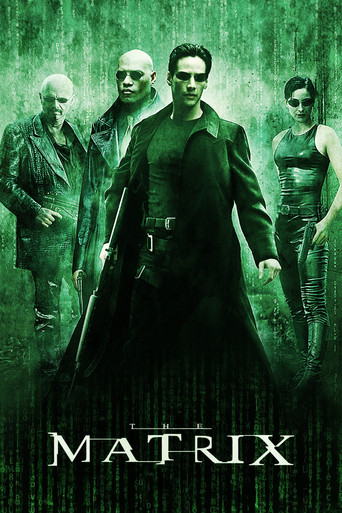 ★ 8.3
 ★ 7.6
 ★ 6.8
 ★ 7.4
 ★ 6.9
 ★ 6.5
 ★ 6.6
 ★ 5.7
 ★ 5.1
 ★ 6.8
 ★ 6.5
 ★ 6.7
Arcade heroesArcade heroes
Show more (14)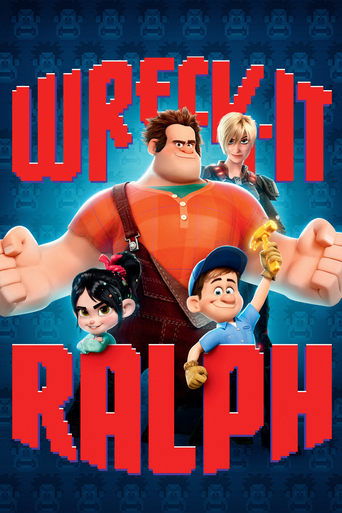 ★ 7.4
 ★ 7.5
 ★ 7.1
 ★ 5.8
 ★ 6.6
 ★ 7.1
 ★ 6.4
 ★ 6.6
 ★ 6.5
 ★ 6.0
 ★ 6.3
 ★ 5.9
Players and streamersPlayers and streamers
Show more (13) ★ 7.0
 ★ 7.7
 ★ 5.6
 ★ 7.8
 ★ 6.3
 ★ 5.9
 ★ 5.2
 ★ 6.4
 ★ 6.4
 ★ 5.3
 ★ 6.9
 ★ 6.9
Gaming documentariesGaming documentaries
Show more (13)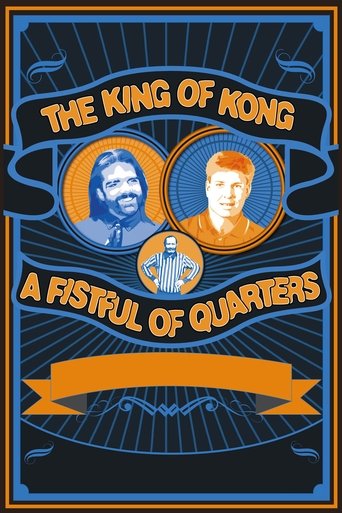 ★ 7.7
 ★ 7.5
 ★ 6.6
 ★ 6.2
 ★ 6.9
 ★ 7.1
 ★ 6.6
 ★ 5.7
 ★ 7.2
 ★ 6.9
 ★ 6.8
 ★ 8.0
The StreamerFlix guide
StreamerFlix: game on, the films of the players
From the console to the cinema
Video games and films have chased each other for more than forty years. In the early 1980s Hollywood saw children queueing at the arcades and answered with Tron, WarGames and The Last Starfighter; in 1993 it tried to turn a game into a blockbuster with Super Mario Bros., and the result became a warning repeated for decades. Since then the two worlds have drawn ever closer: the games borrowed the cameras, the actors and the music of the cinema, and the cinema borrowed the heroes, the worlds and the rules of the games, until a film of Mario, thirty years after the first one, became one of the biggest animated hits of all time. In between came the gamers themselves, the players of the arcades, the testers, the champions of esports and, finally, the streamers who play in front of an audience of millions.
StreamerFlix was a site of gaming videos, the clips of the great streamers of Fortnite and their funniest moments, and this guide takes the name to the cinema. It gathers 150 films of video games and gamers, from Tron, of 1982, to Return to Silent Hill, of 2026, and sorts them into twelve categories, in four families, with an English synopsis, the cast and director of each film and a Watch now button that opens it on JustWatch, where you can see the services that offer it in your country. The guide Start with StreamerFlix picks one film from each category, and the guide How the categories work explains the selection.
The first family, Press start, holds the family adaptations of Nintendo, Sega and friends, the Pokémon films and the anime of games. The second, Fight and survive, holds the fighting games, the Resident Evil saga and the other horror games. The third, Quests and tables, holds the action and adventure games and the board games, chess and party games of the cinema. And the fourth, Inside the game, holds the virtual worlds, the arcade heroes, the players and streamers and the documentaries of gaming. Together the 150 films carry about 459,600 votes on TMDB, with an average rating of 6.43; the most voted and best rated is The Matrix, of 1999, the virtual world that every gamer knows, with an 8.3.
The site of 2019
The Wayback Machine keeps a capture of streamerflix.com of August 2019, when the site was a library of gaming videos built on PHP Melody, a common script for video sites, with its template called echo. The home page listed dozens of clips, most of them Fortnite highlights of the streamer Ninja and his rivals, under headings of New and Popular. A top bar carried the links Home, Categories, Sign in and Register, with a menu of categories, Popular, New, Games and Fortnite, and a Show menu button that slid a side menu in from the left. Each video sat in a thumbnail, three to a row, with its duration in a small dark label on the picture, a Watch later button, and below it the title, the uploader, the age of the video, its views and its likes. The stylesheets of the template were left out of the archive, and later captures of the name, from 2025 and 2026, show a different business entirely.
This guide keeps the shape of the 2019 page and gives it the colours of the streaming culture its clips came from: a near-black page, dark panels, a vivid purple for the buttons and links and a red LIVE badge on the introduction. The side menu becomes the Categories board on the left of the home page, the twelve categories with their families in purple and their number of films; the shelves are grids of posters with a Show more button, and the duration label of the old thumbnails becomes a small dark label in the corner of each poster with its category, such as Fighter or Arcade. My List becomes Watch later, as on the old site. The guide The site of 2019 describes the capture.
How the categories work
Every film of the guide is about games: adapted from a video game, set inside one, about the people who play, make or stream them, or, on one shelf, about the board games, chess and party games that came before the screen. The films were chosen by hand from TMDB, and each one sits in a single category; each category keeps up to fourteen of its most voted films and lists them by votes, so that the best known come first. Animated films of the games, the CGI films of Capcom and Square Enix and the anime of Japan, are welcome alongside the live-action films, and so are the documentaries of the gaming world.
The guide is in English, but the games are global, and Japan is the second home of the guide: 25 of its films are in Japanese, from the Pokémon films to the animated films of Resident Evil and Final Fantasy, and 34 have Japan as their first country of production. One film, Avalon, by the Japanese director Mamoru Oshii, was shot in Poland in Polish. The collection From Japan gathers the Japanese films, and the guide How the categories work sums up the rules.
Press start
The first family, Press start, gathers 35 films of the friendliest games: the plumbers, hedgehogs and angry birds of the family adaptations, the pocket monsters of Pokémon and the anime made from the games of Japan. Its films carry about 64,300 votes, with an average of 6.84, the best of the four families, and they show how far the adaptations have come since the 1990s. The guide Press start sums up the family.
Mario, Sonic and friends
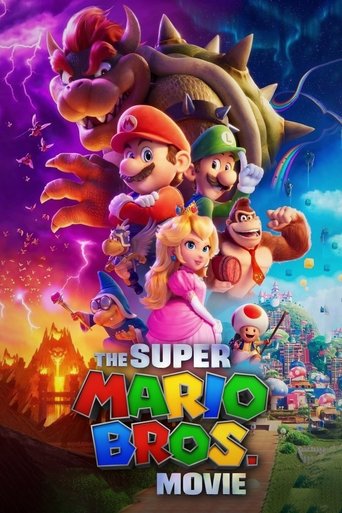
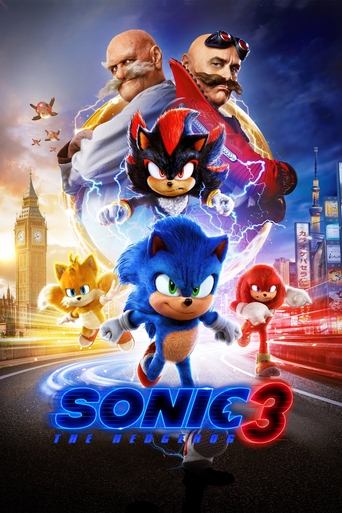
The category Mario, Sonic and friends holds ten family films from 1993 to 2025, and it holds both ends of the story of the adaptation. Super Mario Bros., of 1993, with Bob Hoskins and John Leguizamo as the plumbers in a grimy dinosaur city, the first great live-action film of a video game in Hollywood, is rated 4.5; thirty years later, The Super Mario Bros. Movie, of 2023, by Illumination, with the voices of Chris Pratt and Anya Taylor-Joy, rated 7.6, became one of the highest-grossing animated films ever made and the most voted film of the category. Sega answered with three films of its blue hedgehog: Sonic the Hedgehog, of 2020, whose hero was redesigned after the fans rejected the look of the first trailer, Sonic the Hedgehog 2, of 2022, and Sonic the Hedgehog 3, of 2024, rated 7.6, in which Jim Carrey plays both Doctor Robotnik and his grandfather.
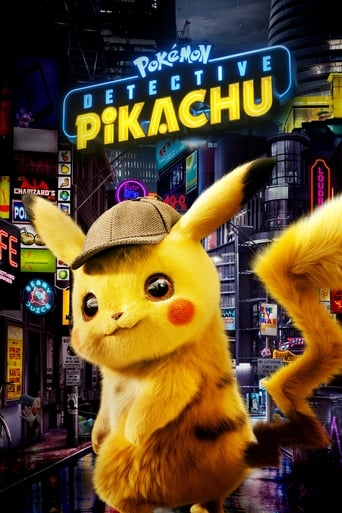
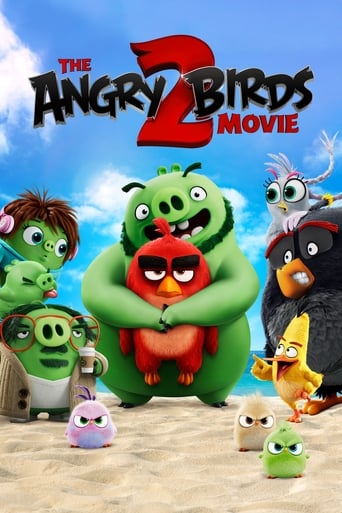
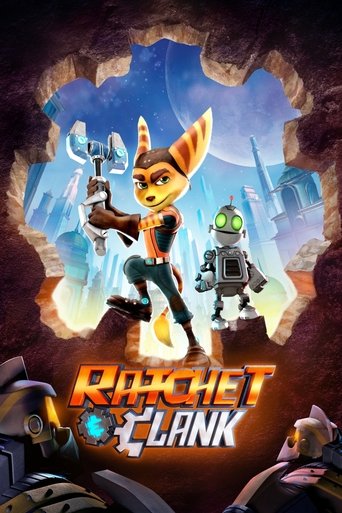
The other films of the category come from every kind of game. Pokémon Detective Pikachu, of 2019, with Ryan Reynolds as the voice of a talking Pikachu in a city where people and Pokémon live together, was the first live-action Pokémon film; A Minecraft Movie, of 2025, by Jared Hess, with Jack Black as Steve and Jason Momoa, brought the cubes of the best-selling game of all time to the screen; The Angry Birds Movie, of 2016, and The Angry Birds Movie 2, of 2019, the better rated of the two, turned a game of mobile phones into a comedy of birds and pigs, and Ratchet and Clank, of 2016, adapted the heroes of the PlayStation.
Pokémon on the big screen
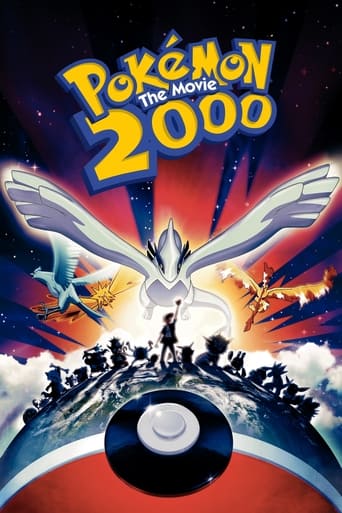
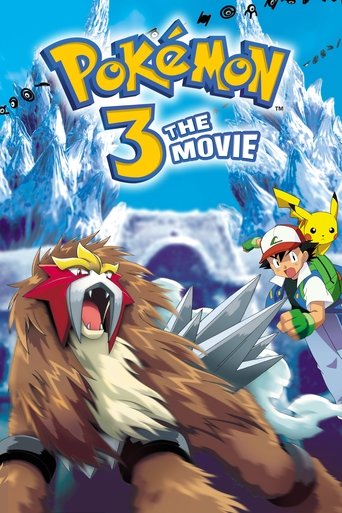
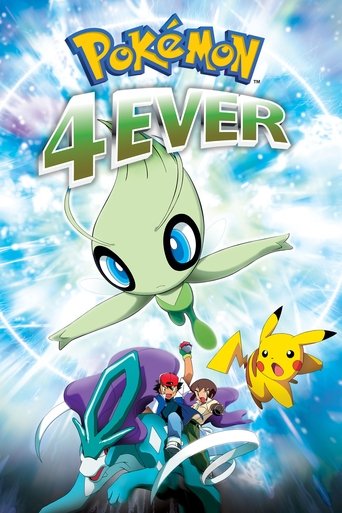
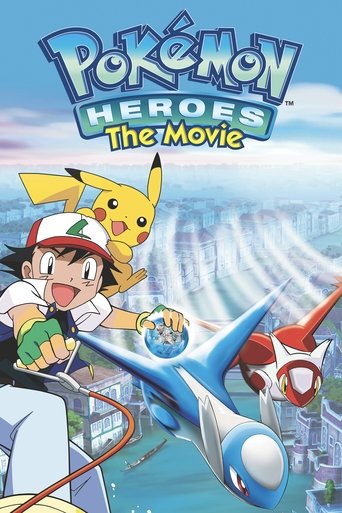
The category Pokémon on the big screen holds thirteen animated films from 1998 to 2020, all in Japanese, and Kunihiko Yuyama, the director of the series, made eleven of them, more films than any other director of the guide. The first, Pokémon: The First Movie, of 1998, in which Ash and Pikachu face Mewtwo, a Pokémon cloned by scientists, rated 7.0, is the most voted of the category; it became a phenomenon in America in 1999, at the height of the Pokémon craze, and was remade in computer animation as Pokémon the Movie: Mewtwo Strikes Back - Evolution, of 2019. The sequels of the early years, Pokémon the Movie 2000, Pokémon 3: The Movie, Pokémon 4Ever and Pokémon Heroes, followed one a year.
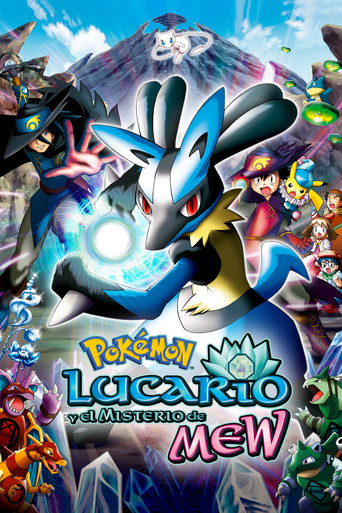
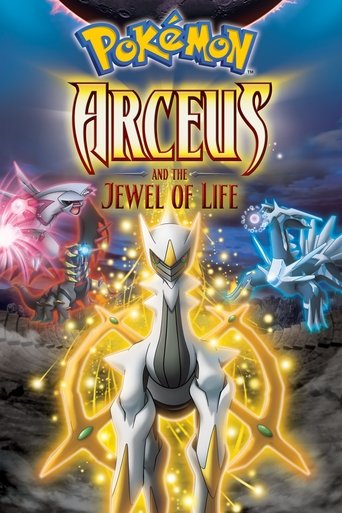
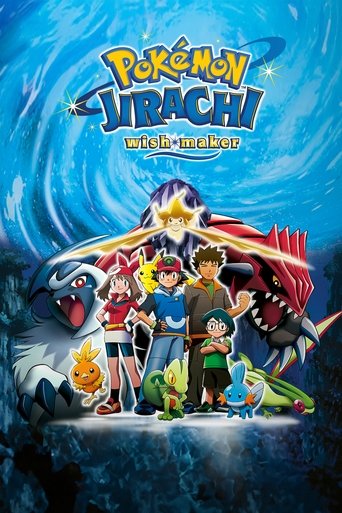
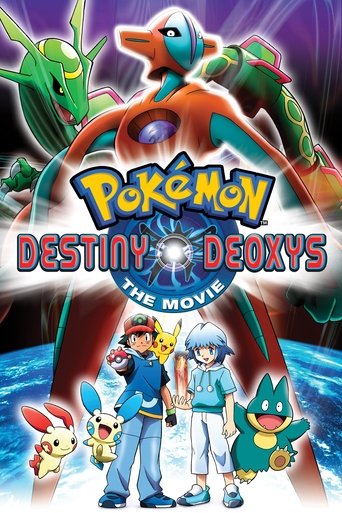
The later films of the category are among its best rated. Pokémon the Movie: I Choose You!, of 2017, made for the twentieth anniversary, retells the first meeting of Ash and Pikachu, rated 7.1; Pokémon the Movie: The Power of Us, of 2018, and Pokémon the Movie: Secrets of the Jungle, of 2020, both by Tetsuo Yajima, are rated 7.2, the best of the category. Pokémon: Lucario and the Mystery of Mew, of 2005, Pokémon: Arceus and the Jewel of Life, of 2009, Pokémon: Jirachi Wish Maker, of 2003, and Pokémon: Destiny Deoxys, of 2004, each built around a legendary Pokémon, complete it; the voices of Rica Matsumoto as Ash and Ikue Otani as Pikachu run through the whole series.
Anime and animated games
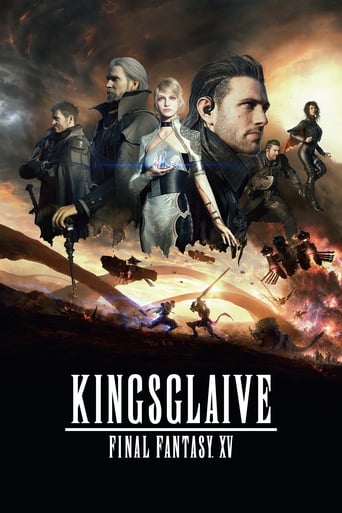
The category Anime and animated games holds twelve animated films from 1994 to 2019, eight of them in Japanese. Square made the most ambitious of them: Final Fantasy: The Spirits Within, of 2001, directed by Hironobu Sakaguchi, the creator of the games, was the first feature to try photorealistic computer-animated humans, and its failure at the box office shook the company, the most voted film of the category; Final Fantasy VII: Advent Children, of 2005, a sequel to the most loved game of the series, rated 7.2, and Kingsglaive: Final Fantasy XV, of 2016, with the voices of Aaron Paul and Lena Headey, followed.
The best rated film of the category is Sword Art Online the Movie: Ordinal Scale, of 2017, rated 7.7, in which players of a virtual-reality game face a new augmented-reality game; Professor Layton and the Eternal Diva, of 2009, the puzzle-solving gentleman of the Nintendo DS, is rated 7.5. The fighters of the arcades have two films, Street Fighter II: The Animated Movie, of 1994, rated 7.1, far better loved than the live-action film of the same year, and TEKKEN: Blood Vengeance, of 2011. Halo Legends, of 2010, an anthology of short films by Japanese studios set in the universe of Halo; Dante's Inferno: An Animated Epic, of 2010; Dragon Quest: Your Story, of 2019, in computer animation; the first film of Persona 3, of 2013, and Mass Effect: Paragon Lost, of 2012, complete it.
Fight and survive
The second family, Fight and survive, gathers 35 films of the games of combat and fear: the fighting games of the arcades, the zombies of Resident Evil and the haunted towns, factories and pizzerias of the horror games. Its films carry about 75,900 votes, with an average of 5.92, the lowest of the four families, for this is the family of the famous failures of the adaptation, from the first Street Fighter to the films of Uwe Boll. It is also the family of a few surprising successes. The guide Fight and survive sums up the family.
Fighting games
The category Fighting games holds thirteen films from 1994 to 2022. Mortal Kombat appears six times. The live-action film of 1995, by Paul W. S. Anderson, with Robin Shou as Liu Kang and its pounding techno theme, rated 5.9, was one of the first adaptations that pleased the fans; its sequel, Mortal Kombat: Annihilation, of 1997, rated 4.6, did the opposite, and the reboot of 2021, by Simon McQuoid, rated 7.0, is the most voted film of the category. The best rated, though, are the animated films of the series, made for home video: Mortal Kombat Legends: Snow Blind, of 2022, rated 7.7, Mortal Kombat Legends: Battle of the Realms, of 2021, rated 7.6, and the Scorpion's Revenge of 2020, rated 8.1, the second best rated film of the guide after The Matrix.
Street Fighter fared worse. Street Fighter, of 1994, with Jean-Claude Van Damme as Colonel Guile and Raúl Juliá, in one of his last roles, as the dictator Bison, is rated 4.7, and Street Fighter: The Legend of Chun-Li, of 2009, rated 4.3, is the lowest rated film of the category. The other fighters are Tekken, of 2010; DOA: Dead or Alive, of 2006, by the action director Corey Yuen; Double Dragon, of 1994, two brothers in a Los Angeles of the future; The King of Fighters, of 2009, with Maggie Q, and the Japanese anime Fatal Fury: The Motion Picture, of 1994, rated 7.3, the only film of the category in Japanese.
Resident Evil
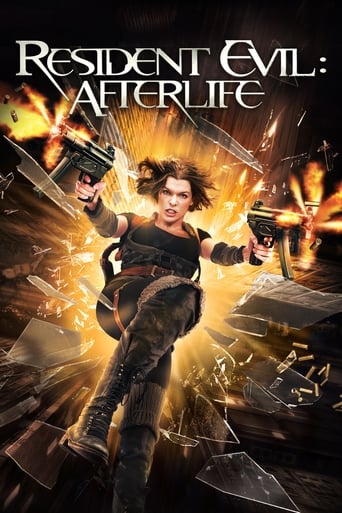
The category Resident Evil holds ten films from 2002 to 2021, one of the longest series of game adaptations in the history of the cinema. Six live-action films starred Milla Jovovich as Alice, a heroine invented for the films and absent from the games, fighting the zombies and monsters of the Umbrella Corporation: Resident Evil, of 2002, the most voted, rated 6.7; Resident Evil: Apocalypse, of 2004; Resident Evil: Extinction, of 2007, in a desert of the end of the world; Resident Evil: Afterlife, of 2010; Resident Evil: Retribution, of 2012, and Resident Evil: The Final Chapter, of 2016. Paul W. S. Anderson, who married Jovovich, directed four of them, and with Mortal Kombat and Monster Hunter he directed six films of the guide, more than any other director of live-action films here.
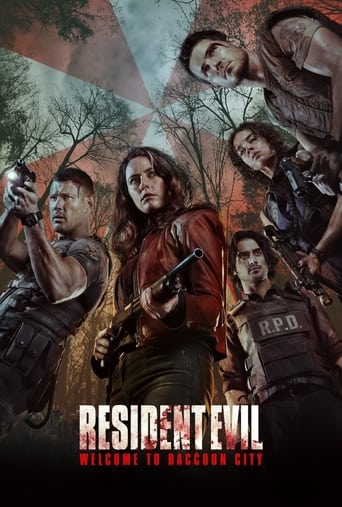
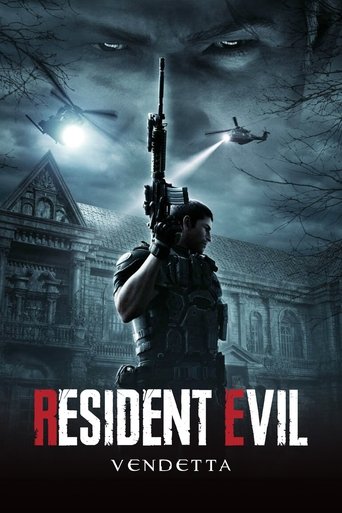
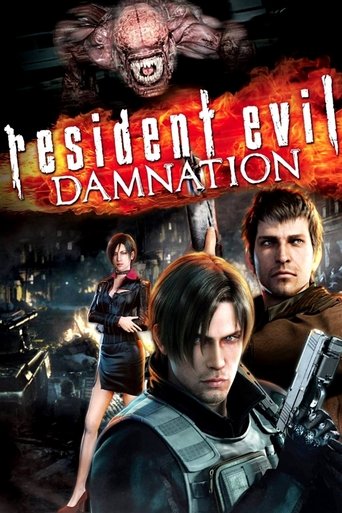
The reboot Resident Evil: Welcome to Raccoon City, of 2021, by Johannes Roberts, returned to the characters and the haunted mansion of the first two games, rated 5.9. The best rated films of the category, though, are the three animated films made by Capcom itself in computer animation, with the heroes of the games, Leon S. Kennedy and Claire Redfield: Resident Evil: Degeneration, of 2008, rated 6.8, Resident Evil: Damnation, of 2012, and Resident Evil: Vendetta, of 2017, both rated 6.9.
Horror games
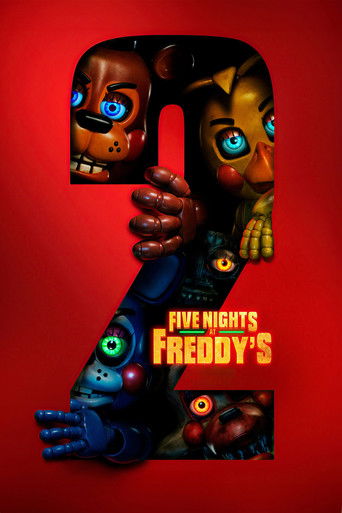
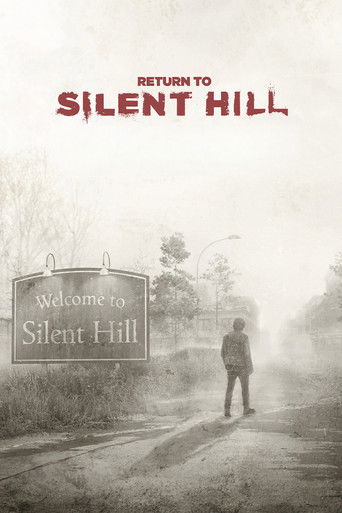
The category Horror games holds twelve films from 2003 to 2026, and its best rated and most voted film is a recent success: Five Nights at Freddy's, of 2023, by Emma Tammi, with Josh Hutcherson as the night guard of a pizzeria haunted by killer animatronic animals, rated 7.3, one of the biggest openings of a horror film that year; its sequel followed in December 2025. Silent Hill, of 2006, by Christophe Gans, with Radha Mitchell searching a foggy ghost town for her daughter and Sean Bean, rated 6.6, is the classic of the category; Silent Hill: Revelation 3D, of 2012, followed, and Gans himself returned with Return to Silent Hill, of 2026, the newest film of the guide, from the second game.
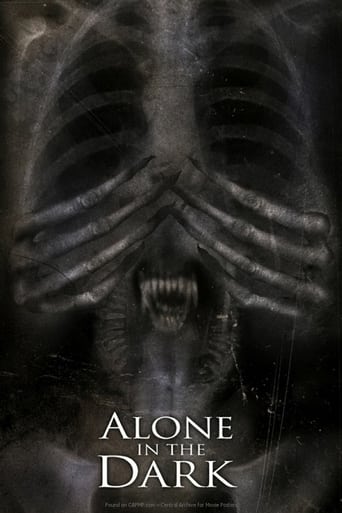
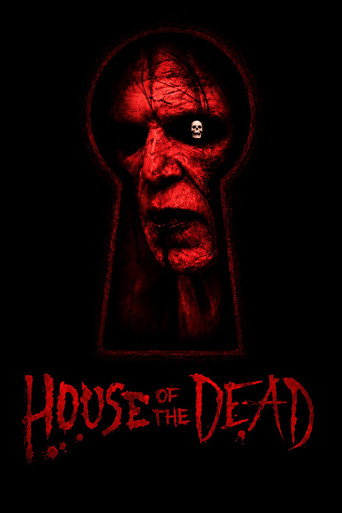
The rest of the category goes from the clever to the infamous. Until Dawn, of 2025, by David F. Sandberg, traps a group of friends in a night that repeats until they survive it; Werewolves Within, of 2021, a comedy of murder in a snowbound town of Vermont, comes from a game of virtual reality; Stay Alive, of 2006, imagines a game that kills its players in the same way as their characters. Doom, of 2005, with Dwayne Johnson and Karl Urban, includes a scene filmed from the eyes of the hero, like the game; Doom: Annihilation, of 2019, followed. And Uwe Boll, the most mocked adapter of games, has the two lowest rated films of the guide here: Alone in the Dark, of 2005, with Christian Slater and Tara Reid, rated 3.4, and House of the Dead, of 2003, rated 3.1. The guide The adaptation curse follows the rise and fall of the genre.
Quests and tables
The third family, Quests and tables, gathers 27 films of adventure: the action heroes of the consoles, from Lara Croft to Nathan Drake, and the games that came before the screen, the board games, chess and party games of the cinema. Its films carry about 141,200 votes, with an average of 6.37. The guide Quests and tables sums up the family.
Action and adventure games
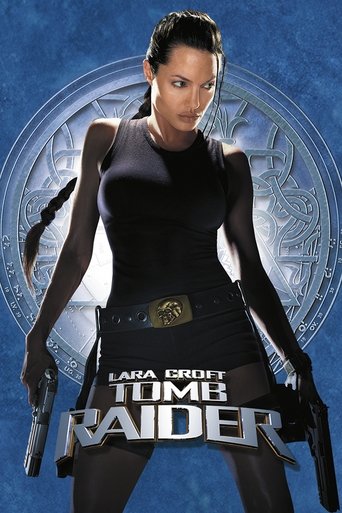
The category Action and adventure games holds fourteen films from 2001 to 2024, and Lara Croft appears in three. Angelina Jolie played her first in Lara Croft: Tomb Raider, of 2001, by Simon West, and again in Lara Croft: Tomb Raider - The Cradle of Life, of 2003, by Jan de Bont; Alicia Vikander took the role in Tomb Raider, of 2018, the most voted film of the category, a younger Lara on the trail of her lost father. Jolie also appears in Hackers, on the shelf of arcade heroes. The best rated film of the category is Uncharted, of 2022, by Ruben Fleischer, with Tom Holland as the young treasure hunter Nathan Drake and Mark Wahlberg as Sully, rated 6.9; Wahlberg had already played the detective of Max Payne, of 2008.
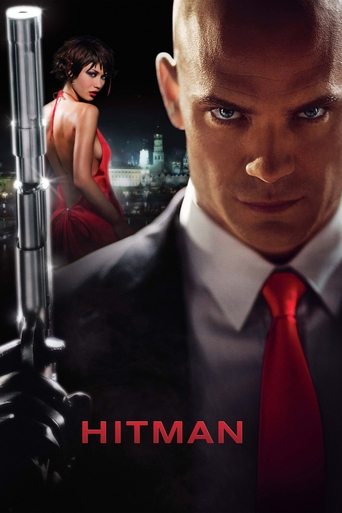
The big-budget fantasies of the category are Warcraft, of 2016, by Duncan Jones, the war of orcs and humans from the game of Blizzard, a modest result in America and a huge hit in China; Prince of Persia: The Sands of Time, of 2010, with Jake Gyllenhaal and a dagger that turns back time, and Assassin's Creed, of 2016, with Michael Fassbender reliving the memories of an ancestor in Spain at the time of the Inquisition. Rampage, of 2018, with Dwayne Johnson, turned an arcade game of 1986 about giant monsters into a disaster film; Monster Hunter, of 2020, reunited Paul W. S. Anderson and Milla Jovovich; Need for Speed, of 2014, with Aaron Paul, raced across America; Hitman, of 2007, with Timothy Olyphant, and Hitman: Agent 47, of 2015, with Rupert Friend, followed the bald assassin of the games, and Borderlands, of 2024, by Eli Roth, with Cate Blanchett and Kevin Hart, is the newest film of the category.
Board games, chess and party games
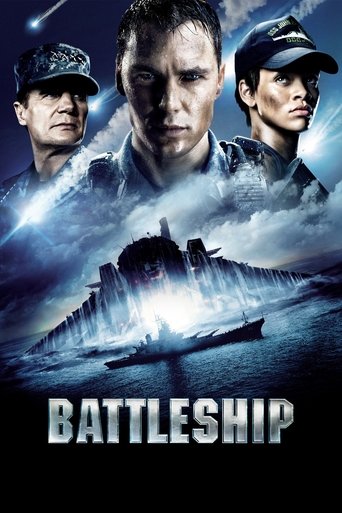
The category Board games, chess and party games holds thirteen films from 1985 to 2023 about the games played around a table, and its most voted film is a classic of the family cinema: Jumanji, of 1995, with Robin Williams as a man trapped for decades inside a magical board game and freed by two children, rated 7.2. Its companion, Zathura: A Space Adventure, of 2005, by Jon Favreau, from another book of Chris Van Allsburg, sends two brothers into space on a board game, with the young Josh Hutcherson, who later appears in the two Five Nights at Freddy's films. The real board games of the category are Clue, of 1985, with Tim Curry as the butler of a murder mystery released in cinemas with three different endings, rated 7.2; Battleship, of 2012, by Peter Berg, a naval battle against aliens, and Dungeons and Dragons: Honor Among Thieves, of 2023, rated 7.4, the best adaptation of the tabletop role-playing game.
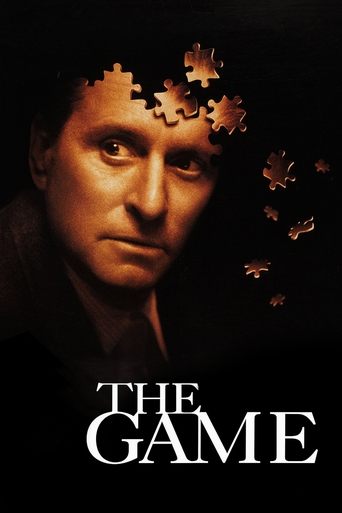
Honor Among Thieves was directed by John Francis Daley and Jonathan Goldstein, who also made Game Night, of 2018, a comedy in which a weekly game night turns into a real kidnapping. The best rated film of the category is The Game, of 1997, by David Fincher, with Michael Douglas as a banker drawn into a mysterious game that takes over his life, rated 7.6. The darker party games include a horror comedy of 2019, with Samara Weaving as a bride forced to play a deadly game of hide and seek with the family of her husband, rated 7.1; Truth or Dare, of 2018; Ouija, of 2014, and its far better rated prequel Ouija: Origin of Evil, of 2016, by Mike Flanagan; Tag, of 2018, tells the true story of friends who have played the same game of tag for decades, and Pawn Sacrifice, of 2015, by Edward Zwick, with Tobey Maguire as Bobby Fischer, the chess match of 1972 against Boris Spassky.
Inside the game
The last family, Inside the game, gathers 53 films about the experience of playing rather than about a particular game: heroes trapped inside virtual worlds, kids and grown-ups who live for the arcade, players and streamers whose games turn deadly, and the documentaries of the real gamers. It is the largest and most voted family of the guide, with about 178,100 votes, and it holds its best rated film, The Matrix. The guide Inside the game sums up the family.
Virtual worlds
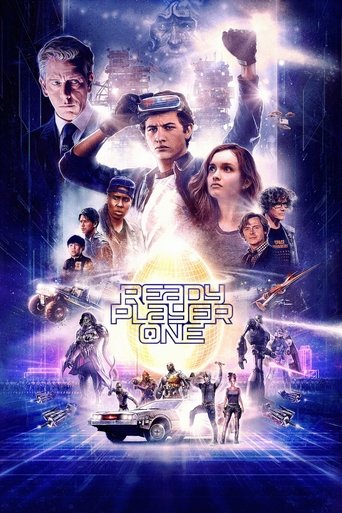
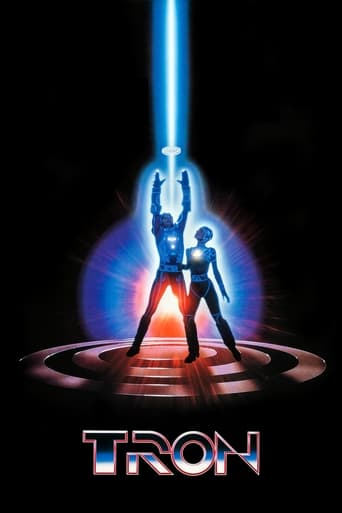
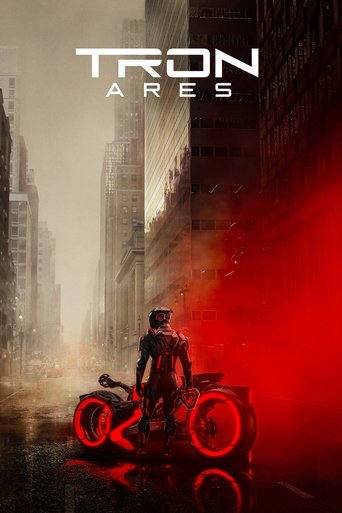
The category Virtual worlds holds thirteen films from 1982 to 2025, and it begins with the film that invented the genre: Tron, of 1982, by Steven Lisberger, with Jeff Bridges as a programmer digitised into the computer of his company, where programs fight on glowing grids, one of the first films to use computer animation at length. It was followed by TRON: Legacy, of 2010, by Joseph Kosinski, with its music by Daft Punk, and TRON: Ares, of 2025, with Jared Leto as a program that crosses into the real world. The most voted film of the category, and of the guide, is The Matrix, of 1999, by the Wachowskis, with Keanu Reeves as a hacker who learns that the world is a simulation, rated 8.3; Ready Player One, of 2018, by Steven Spielberg, with its virtual universe called the OASIS full of the heroes of games and films, is the second, rated 7.6.
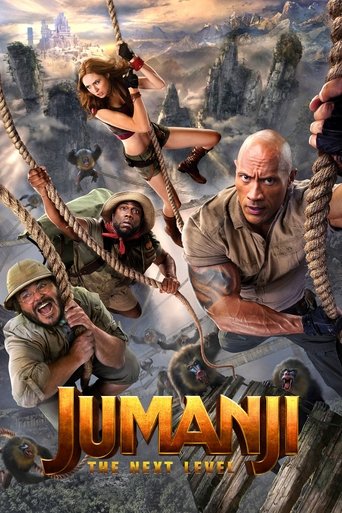
The comedies of the category are Jumanji: Welcome to the Jungle, of 2017, and Jumanji: The Next Level, of 2019, both by Jake Kasdan, in which teenagers sucked into a video game become the avatars played by Dwayne Johnson, Kevin Hart, Jack Black and Karen Gillan, and Free Guy, of 2021, by Shawn Levy, with Ryan Reynolds as a background character of an online game who becomes the hero, rated 7.4. The darker virtual worlds are eXistenZ, of 1999, by David Cronenberg, with its organic consoles plugged into the spine; Gamer, of 2009, prisoners controlled by players; Avalon, of 2001, by Mamoru Oshii, an illegal war game of virtual reality in a grey city of Poland, and Level 16, of 2018, girls raised in a sealed school of sixteen floors. Spy Kids 3-D: Game Over, of 2003, by Robert Rodriguez, completes it.
Arcade heroes
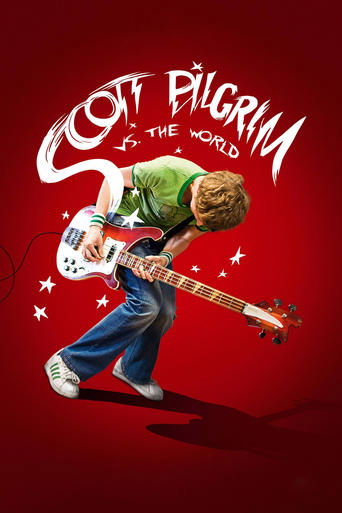
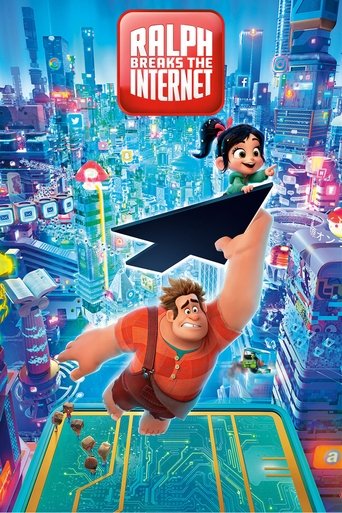
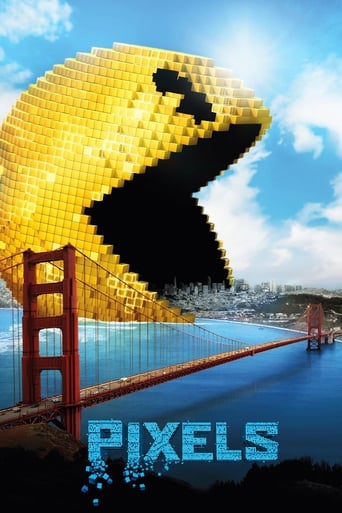
The category Arcade heroes holds fourteen films from 1983 to 2018 about the people who play, and the characters who live in the games. Its most voted film is Wreck-It Ralph, of 2012, by Rich Moore, the villain of an old arcade game who wants to be a hero, with cameos of Sonic, Bowser and the ghosts of Pac-Man, and its sequel Ralph Breaks the Internet, of 2018, takes him online. Its best rated film is Scott Pilgrim vs. the World, of 2010, by Edgar Wright, with Michael Cera fighting the seven evil exes of his girlfriend in a Toronto that looks like a fighting game, rated 7.5. Pixels, of 2015, by Chris Columbus, with Adam Sandler, imagines aliens who attack the Earth in the shape of the arcade games of 1982.
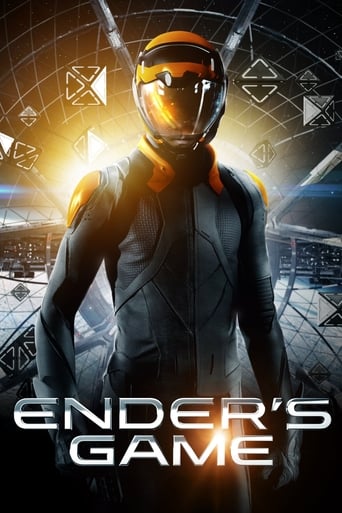
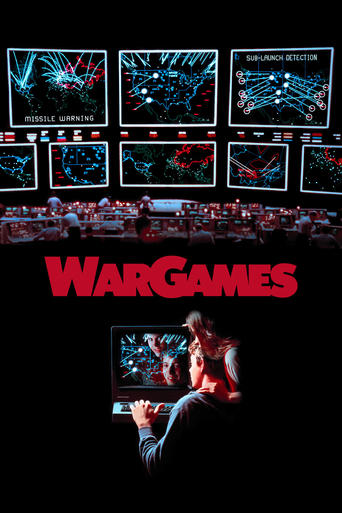
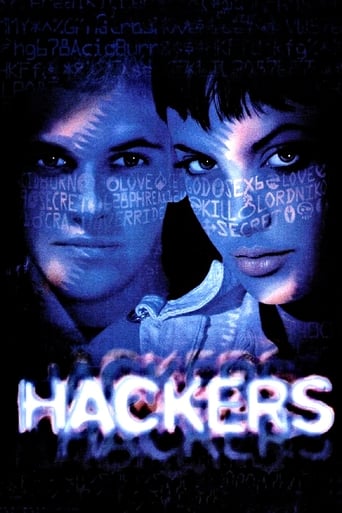
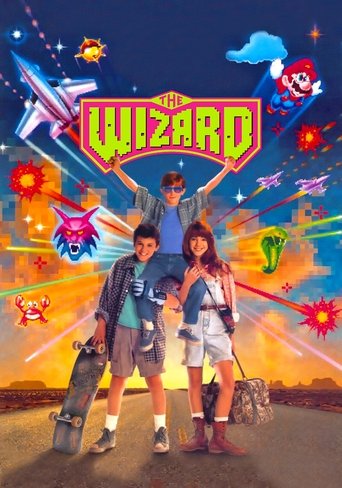
The 1980s, the golden age of the arcade, gave the category nearly half of its films. WarGames, of 1983, with Matthew Broderick as a teenage hacker who nearly starts a nuclear war by playing a game with a military computer, rated 7.1; The Last Starfighter, of 1984, in which an arcade machine is really a test to recruit pilots for a war in space; Cloak and Dagger, of 1984, with Henry Thomas and an Atari cartridge full of secrets; Nightmares, of 1983, whose segment The Bishop of Battle traps Emilio Estevez in an arcade game; Joysticks, of 1983, and The Wizard, of 1989, a road film of a boy genius of Nintendo, famous for the first glimpse of Super Mario Bros. 3. The 1990s added Hackers, of 1995, with Jonny Lee Miller and Angelina Jolie, and Arcade, of 1993, and the 2000s and 2010s Ender's Game, of 2013, a child commander trained by games, and Grandma's Boy, of 2006, a game tester who moves in with his grandmother. The guide The arcade age follows the decade.
Players and streamers
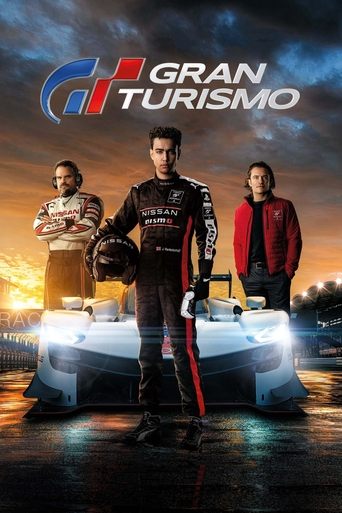
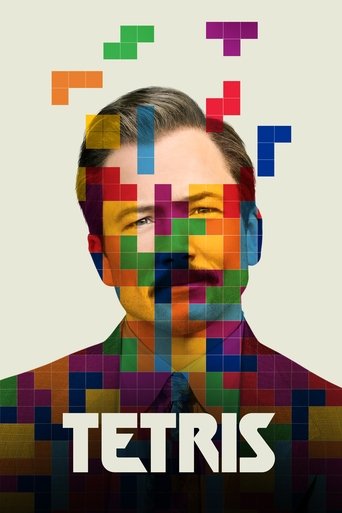
The category Players and streamers holds thirteen films from 2006 to 2023 about the people who play in front of others, and it is the closest category to the old StreamerFlix. Its best rated films are two true stories of players who became something else: Tetris, of 2023, rated 7.8, Taron Egerton as Henk Rogers, the salesman who crossed the Soviet Union to win the rights of the game, and Gran Turismo, of 2023, by Neill Blomkamp, rated 7.7, the young player of the racing game who became a real driver. The most voted is Nerve, of 2016, an online game of dares in which the watchers pay to see the players take risks, with Emma Roberts and Dave Franco.
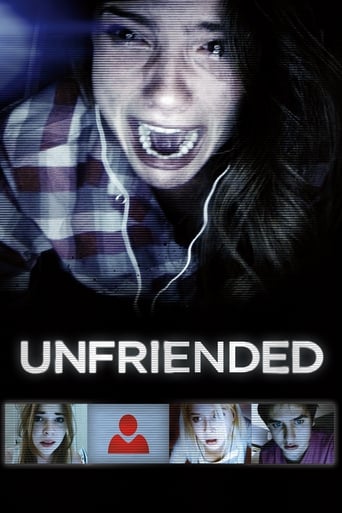
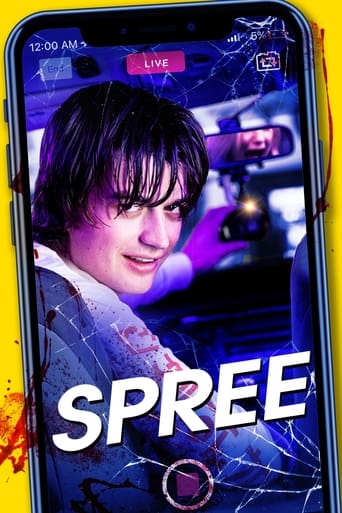
The streamers of horror are Spree, of 2020, with Joe Keery as a driver who streams his crimes to win followers; Cam, of 2018, a camgirl who finds her channel taken over by her double; Unfriended, of 2014, and Unfriended: Dark Web, of 2018, told entirely on the screens of computers; Choose or Die, of 2022, a cursed game of the 1980s that forces its players to choose, and Cyberbully, of 2015, with Maisie Williams. The comedies of the gamers are Angry Video Game Nerd: The Movie, of 2014, by and with James Rolfe, the famous reviewer of bad games of YouTube, on the trail of the cartridges of E.T. buried in the desert of New Mexico; The Gamers: Dorkness Rising, of 2008, a comedy of players of role-playing games, and Gamers, of 2006. Beyond the Game, of 2008, follows two champions of Warcraft III. The guide The streamers follows them.
Gaming documentaries
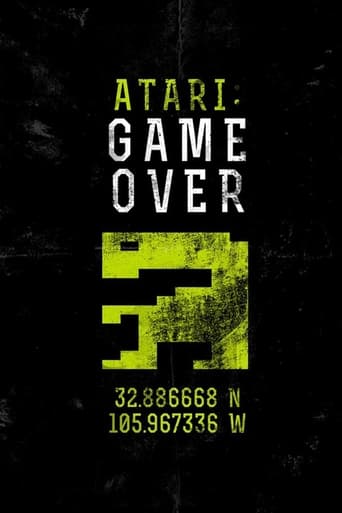
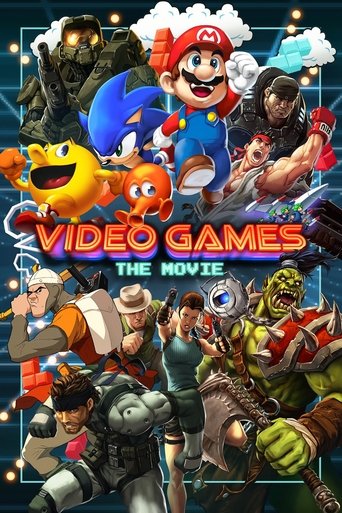
The category Gaming documentaries holds thirteen films from 2007 to 2022. Its most voted is The King of Kong: A Fistful of Quarters, of 2007, by Seth Gordon, the rivalry of Steve Wiebe, a teacher of Seattle, and Billy Mitchell, the long-haired champion, for the record of Donkey Kong, rated 7.7; Indie Game: The Movie, of 2012, follows the makers of Super Meat Boy, Fez and Braid, rated 7.5, and Free to Play, of 2014, made by Valve itself, follows three players to the first great tournament of Dota 2. The history of the industry fills the rest: Atari: Game Over, of 2014, by Zak Penn, digs up the cartridges of E.T. in the landfill of Alamogordo; Console Wars, of 2020, the duel of Sega and Nintendo in the 1990s; Insert Coin, of 2020, the studio Midway that made Mortal Kombat; Minecraft: The Story of Mojang, of 2012; Video Games: The Movie, of 2014; World 1-1, of 2015; Ecstasy of Order: The Tetris Masters; Man vs. Snake, of 2015, a player chasing a billion points on the arcade game Nibbler; Nintendo Quest, of 2015, a man who tries to buy every game of the NES in thirty days, and GameStop: Rise of the Players, of 2022, the players who took on Wall Street over a shop of video games.
The adaptation curse
For a long time, a film of a video game was expected to fail. The curse began with Super Mario Bros. in 1993 and Street Fighter in 1994, and it grew through the 2000s with the films of Uwe Boll, House of the Dead, Alone in the Dark and BloodRayne, made cheaply under a tax law of Germany, and with the long, uneven saga of Resident Evil. The reasons were often the same: the films kept the names and the costumes of the games and threw away what made them fun, the feeling of being in control. The figures of the guide show it: the family of fighting and horror games has the lowest average of the four, 5.92, and the two lowest rated films of the guide, House of the Dead and Alone in the Dark, are adaptations.
The curse broke in the 2020s. Sonic the Hedgehog, in 2020, listened to its fans and redesigned its hero; Mortal Kombat, in 2021, The Super Mario Bros. Movie, in 2023, Five Nights at Freddy's, in 2023, and A Minecraft Movie, in 2025, filled the cinemas, and the animated films made by the studios of the games themselves, from the Mortal Kombat Legends to the films of Capcom, are among the best rated of the guide. The guide The adaptation curse follows the story film by film.
The directors and the stars
Kunihiko Yuyama, the director of the Pokémon films, made eleven films of the guide, and Paul W. S. Anderson six, the most of any director of live action: the first Mortal Kombat, four Resident Evil films and Monster Hunter. Jeff Fowler made the three Sonic films, Jake Kasdan the two Jumanji films of the video-game era, Rich Moore the two Ralph films, Emma Tammi the two Five Nights at Freddy's films, Christophe Gans two Silent Hill films, and John Francis Daley and Jonathan Goldstein Game Night and Honor Among Thieves. The guide The directors lists them all.
Milla Jovovich is the star of the guide, with seven films, the six Resident Evil films of Alice and Monster Hunter. Dwayne Johnson and Jack Black follow with four each: Johnson in Doom, Rampage and the two Jumanji films; Black in the two Jumanji films, A Minecraft Movie and The Super Mario Bros. Movie, as the voice of Bowser. Angelina Jolie, Kevin Hart, Josh Hutcherson, Michelle Rodriguez and Ben Schwartz, the voice of Sonic, appear in three each. The guide The stars lists the actors who appear most often.
StreamerFlix in figures
The 150 films of the guide were released from 1982 to 2026: eight in the 1980s, fifteen in the 1990s, 35 in the 2000s, 63 in the 2010s and 29 in the 2020s, a sign of how fast the genre has grown. They carry about 459,600 votes on TMDB, with an average rating of 6.43. The collection Rated 7 or more gathers the 44 films rated 7 or more, best first, from The Matrix and Scorpion's Revenge to the documentaries of the arcade, and the collection The 1980s and 1990s gathers the 23 oldest films, from Tron to the Pokémon film of 1999, in order of release. Together the films last 15,155 minutes, more than 252 hours, about the length of a long game of role-playing; the longest is Ready Player One, with 140 minutes, and the shortest is Cyberbully, with 62. The guide The figures gathers every number.
Where to begin
For a first session, choose one film from each family. From Press start, try The Super Mario Bros. Movie or Sonic the Hedgehog 3 for the family, or Pokémon: The First Movie for nostalgia. From Fight and survive, try Silent Hill for atmosphere or the 2021 Mortal Kombat for the fights. From Quests and tables, try Uncharted for the treasure hunt, Clue for the murder mystery, or Jumanji for the whole family. And from Inside the game, try The Matrix, Tron and Wreck-It Ralph, then finish with The King of Kong: A Fistful of Quarters, the true story of a duel for a high score. The guide Start with StreamerFlix gives one pick from each category.
How to use StreamerFlix
The home page opens with the introduction and, on the left, the Categories, the board of the twelve categories, each with its family in purple, its name and its number of films; on a phone the board moves above the rows. Each category is a grid of posters with a Show more button that opens the full list. The menu in the header leads to the four families, and the search box finds any film by its title; the guide Search tips explains how.
Each poster carries the year in a purple badge, the TMDB rating and, in a small dark label in the corner, its category, for example Fighter or Arcade, like the duration label of the old video thumbnails; under the poster come the first genre and the running time. The page of each film has the English synopsis, the cast, the director and the genres. The Watch now button opens the film on JustWatch, which shows the services that offer it in your country, and the button Add to My List keeps it in Watch later, stored in your browser. The guide How to use StreamerFlix explains each part, and the guide The Watch now button explains how JustWatch works.
The arcade age
The first wave of game films came from the arcades of the early 1980s, when the coin-operated machines were the newest and loudest entertainment of American towns. Hollywood saw a generation of teenagers who spent their afternoons in front of Pac-Man, Space Invaders and Donkey Kong, and it made films for them in which the game was a door to adventure. Tron sent its hero into the computer; WarGames turned a game of strategy into a nuclear crisis; The Last Starfighter made the high score a test for real pilots; Joysticks and Nightmares set their stories in the arcades themselves. The same years saw the crash of the home console market in 1983, when Atari buried its unsold cartridges, among them the infamous game of E.T., in a landfill of New Mexico, a story the guide follows in Atari: Game Over and the film of the Angry Video Game Nerd.
When Nintendo revived the market later in the decade, the cinema followed again: The Wizard, in 1989, was in part an advertisement for the new games of the company, and the first film of Mario, in 1993, a bet that a game could carry a blockbuster. The documentaries of the guide look back on those years with affection: The King of Kong and Man vs. Snake follow grown men who still chase the records of the arcade, Ecstasy of Order the masters of the first Tetris, and Insert Coin the studio of Chicago that made the games of the 1990s. The guide The arcade age follows the decade.
The games of Japan
Japan made most of the games that the world played, and it is the country of production of nearly a quarter of the films of the guide. The anime films of the guide follow the great franchises of the Japanese studios: the thirteen Pokémon films, with their annual summer releases in Japanese cinemas; the films of Final Fantasy, made by Square Enix in computer animation; the animated Street Fighter II and Fatal Fury of 1994, both made for the fans of the arcades; the films of Tekken, Dragon Quest, Persona and Professor Layton, and the computer-animated Resident Evil films that Capcom made itself. The live-action adaptations of Japanese games were mostly made in Hollywood: Super Mario Bros., Sonic, Detective Pikachu, Street Fighter, Tekken, Resident Evil, Silent Hill and Monster Hunter, an exchange between the two industries that has lasted thirty years. The collection From Japan gathers the 25 films in Japanese.
From players to streamers
The old StreamerFlix was built on a new kind of celebrity: the streamer, who plays a game live in front of an audience that talks back. The cinema has been slow to tell their story, and the films of the guide approach it mostly through fear: Nerve, Spree and Cam imagine what happens when the audience controls the player, or the player will do anything for the audience; Unfriended and its sequel tell their stories on the screen of a computer, as the viewers of a stream watch them. The comedies and the documentaries are kinder: The King of Kong turned two players into stars before streaming existed, Free to Play followed the first players to win a million dollars at a tournament of Dota 2, and Angry Video Game Nerd: The Movie was made by one of the first stars of gaming on YouTube, with the support of his fans. The two true stories of 2023, Tetris and Gran Turismo, close the circle: one tells how a game reached the whole world, and the other how a player became the hero of the real race. The guide The streamers gathers them.
The makers of games
A handful of films of the guide turn away from the players to look at the people who make the games. Indie Game: The Movie follows three small teams through the last months of their work, the two Americans behind Super Meat Boy, the Canadian creator of Fez and the designer of Braid, as they put their savings and their health into a game that might sell or might vanish; it remains one of the most moving portraits of creative work of its decade. Minecraft: The Story of Mojang catches the Swedish studio of Markus Persson in 2011, when a game made by one man had just become a worldwide phenomenon, a few years before the sale to Microsoft and fourteen years before A Minecraft Movie. Console Wars tells how the American branch of Sega, with a hedgehog and a cheeky advertising campaign, challenged the dominance of Nintendo in the early 1990s, the same rivalry that the films of Sonic and Mario still play out today.
The fictions about makers are fewer. Grandma's Boy follows a tester of games in his thirties, surrounded by the eccentric designers of his studio, and Tetris, the best rated film of the players, is really a film about the business of games: the salesman, the Soviet programmer Alexey Pajitnov and the race between the companies of three countries to sell the most famous puzzle in the world. Atari: Game Over, finally, is the story of a single game made too fast, E.T. the Extra-Terrestrial, designed in five weeks for Christmas of 1982 and blamed for the fall of a whole industry, until the documentary digs it out of the sand of New Mexico more than thirty years later. Together these films tell the history of the medium that the rest of the guide adapts.
Questions
What is StreamerFlix
An English guide to 150 films of video games and gamers, in twelve categories and four families.
Which film has the most votes
The Matrix, with about 29,000 votes on TMDB.
Which film is the best rated
The Matrix, with an 8.3.
Which is the oldest film
Tron, of 1982.
Which is the newest film
Return to Silent Hill, of 2026.
Which game has the most films
Pokémon, with thirteen animated films, followed by Resident Evil with ten.
Which actor appears most often
Milla Jovovich, in seven films.
Which director has the most films
Kunihiko Yuyama, with eleven Pokémon films.
Where can I watch the films
The Watch now button opens each film on JustWatch, which shows the services that offer it in your country.
Where is My list kept
In your browser, on the device where you create it.
